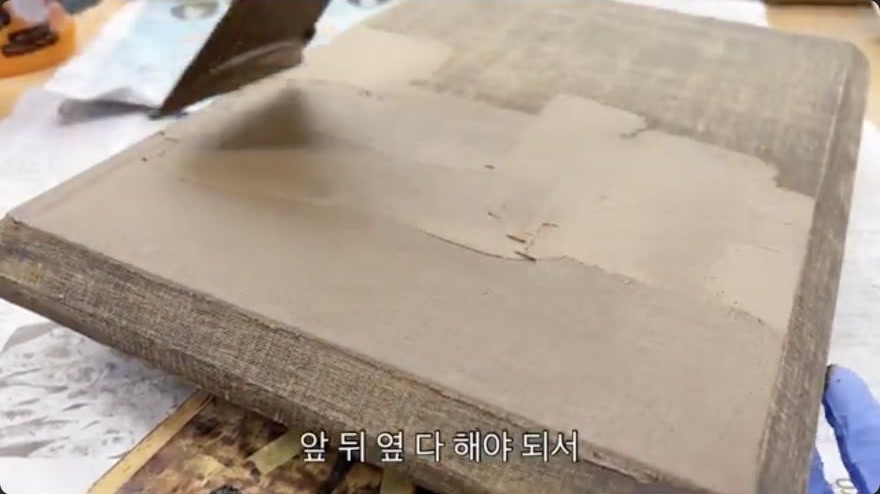
Select the cloth to match the vessel
Source · 1:05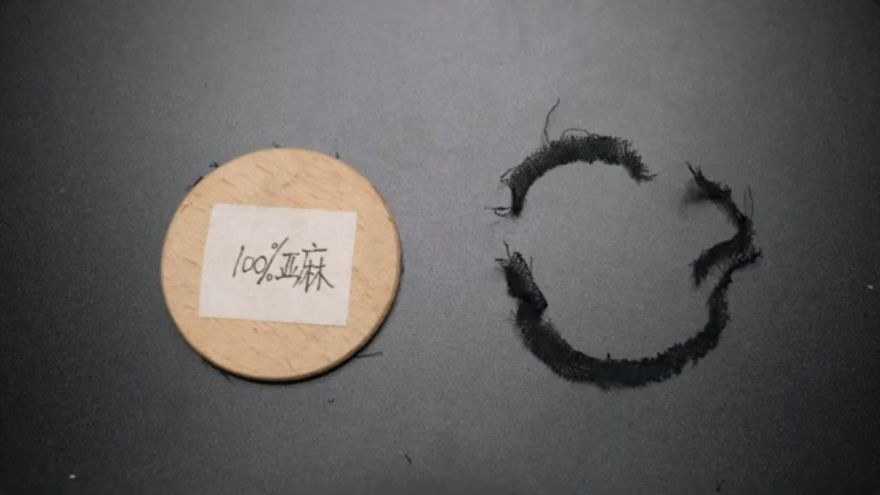
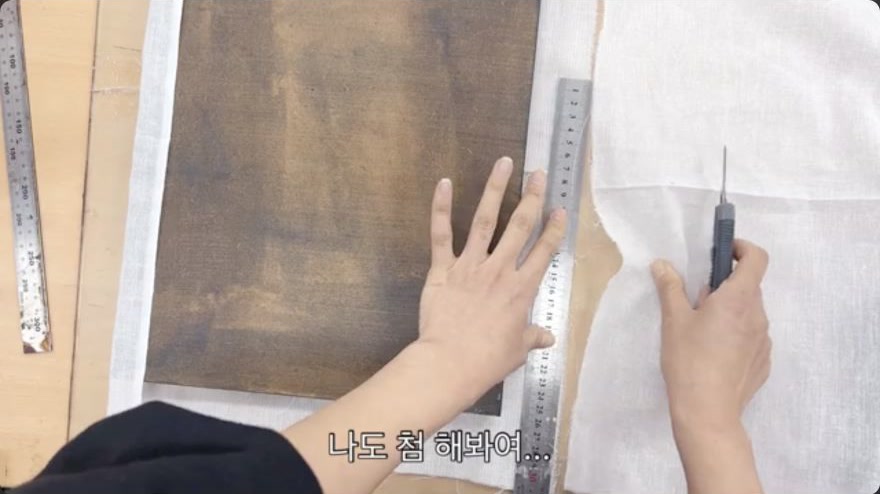
Choose the fabric before you begin, because its stiffness, thread density, and drying behaviour determine every downstream decision. For small items with pronounced curves, a fine linen gauze (kanreisha) or a 55 % cotton / 45 % linen blend wraps tightly, cuts cleanly, and dries flat without deformation. For large kanshitsu (dry-lacquer) pieces, dense ramie under-cloth provides the structural rigidity the build demands, though its uneven thread thickness can leave a surface that is visibly textured to the naked eye. A thicker cotton under-cloth works for overall texture on medium pieces but absorbs more lacquer and needs an extra one or two days to dry. Avoid 100 % linen: the warp and weft stretch at the intersections during application, the fabric curls after drying, and it tears when cut. If you are working with a very thin silk or paper, note that it will need a deep-lacquer base coat before it will adhere properly.
When it is rightThe chosen cloth lies flat on a test surface without curling, cuts with a clean edge, and its thread pattern is regular enough that, once scraped, the surface reads as a uniform plane rather than a bumpy weave.
When it goes wrongA cloth that is too soft will deform under the spatula, trap air bubbles, and curl at the edges after curing. Recovery: discard the piece and switch to a stiffer fabric; do not try to flatten a deformed cloth with more lacquer, as the distortion is structural.
Workshop differences 2
- The ChengYan workshop tests seven materials and ranks kanreisha and the cotton-linen blend as the most versatile for general nunokise, reserving ramie for large kanshitsu work.
- The HwihoCraft workshop uses hemp cloth for najeonchilgi (mother-of-pearl lacquerware), a stiffer, coarser fabric suited to the Korean tradition's thicker ground builds.